

Moving to China: The Complete Family Guide
*The information in this blog is accurate as of 10 May 2026. Policies, laws, regulations, and requirements are subject to change. If you are considering moving to mainland China, please ensure you follow the official procedures for immigration, health insurance, and banking as outlined on authorized government websites. This guide has been written from my personal expat experience.
Moving to China with your family can feel genuinely overwhelming, even before you take that first step off the plane. I know, we did it in July 2025. We moved from Auckland New Zealand, to Beijing China and walked into a whole new life abroad.
Moving abroad is equal parts exciting, adventurous and sometimes a little challenging. But one of the biggest challenges we faced before even leaving New Zealand, was finding real, honest and helpful information to make our move just a little bit easier. We did eventually find the information, but it was scattered across government portals, expat forums, and blog posts. We also noticed a huge lack of family-specific details.
That’s where this comes in. After adjusting to life in mainland China, and finding myself reflecting on our journey so far, here is a comprehensive guide for families like ours, to help you with your move to China.
1. Moving to China: Visa Pathway for your Whole Family
Most relocating families deal with 2 visa categories:
- The Working Parent – Z Visa (which must be tied to a specific employer – usually the one bringing you to China)
or - The Spouse and Children – S Visa (accompanying visa for dependents)
When you first move, both visas are only valid for a single entry and a 30 day stay in China. Your employer will likely help you, but if they don’t then you must convert your Z or S visa into a Residence Permit within the 30 days at your local Public Security Bureau (PSB).
Preparing for the Z-Visa: Working Parent
The Z-Visa is the anchor for the whole family’s move. The process is entirely employer-driver but because you can apply for this visa at your local Chinese Embassy, your future employer will obtain a Work Permit Notification and an Invitation Letter. This process can take between 20-40 days, so don’t stress too much once this starts.
Once you have both documents, you’ll be ready to apply for your visa at the Chinese Embassy in your home country.
As well as those 2 documents, you may also need the following (your employer should advise you on what is necessary for your home country):
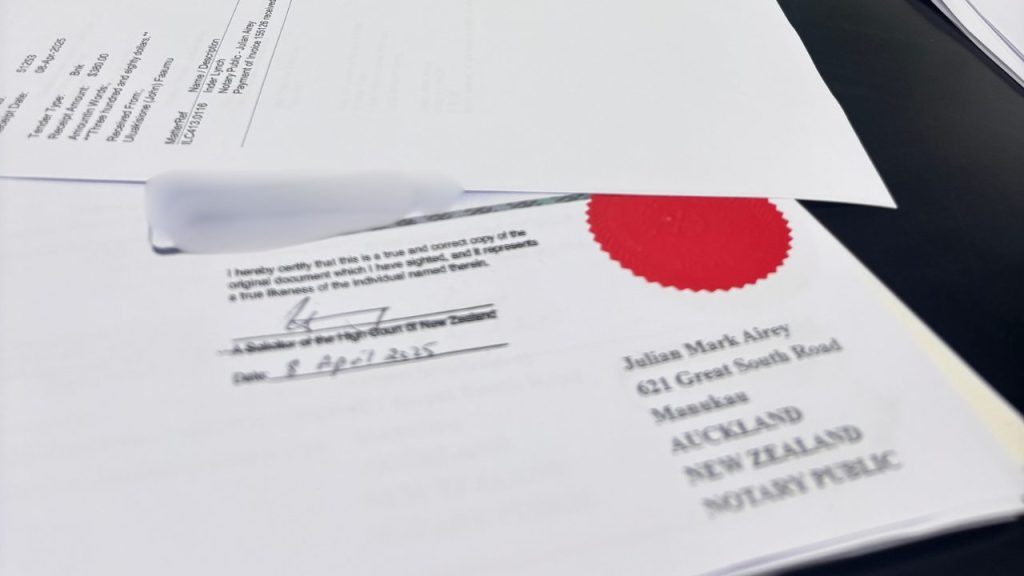
- Authenticated education certificates (degrees, training certificates, relevant registrations etc.) – for New Zealand, we had these apostle through our Government
- Criminal background check from your home country
- A health certificate from an approved clinic (not all countries require this, but it pays to check if China requires your home country to)
- Signed employment contract
- Valid passport
For practical visa advice geared to families relocating from New Zealand and similar jurisdictions, see my Top 3 Tips for Visa Applications. For an overview of the different visa categories and up-to-date requirements, checkout: China Neighbour for more information.
S Visa for Spouse and Children
The S1 visa is for dependants staying longer than 180 days and must be converted to a Family-type Residence Permit after arrival. Everyone, including all children, must apply for one. For the S Visa, we required my husband to draft a simple letter inviting both me and my daughter to live with him in China. He also had to include that he would be responsible for financially supporting us, as he would be the working parent. He signed and dated it, and it was included with our S-Visa applications.
Download my easy Invitation Letter template here for free:
All visitors to China (including foreign residents) must register with their local Police Station. If your employer doesn’t do this for you, it is easy as finding the nearest Police station and attending on a Monday – Friday and registering. Take your passport with you – if you have access to WeChat, you can also now register on the WeChat App:
Once your Z and S visa’s have been converted into Residence Permits, you can enter and exit China legally during it’s duration.
Choosing Where to Live and What it Costs
Choosing what city to live in, is not just a lifestyle decision. It can also directly affect what schools are available for your children, what the air quality is like and how far your housing budget will stretch.
Often, your future employer will dictate what city you move to – for example, we moved to Beijng because the school my husband is employed at is located here. He had offers from schools in Shanghai, Guangzhou, Huangzhou and Shenzhen. We opted for Beijing because the package the school offered was most appealing. We have enjoyed living in the north of China as it is very different from the south.
Tier – 1 Cities
A family of four in Beijing should budget approximately $2,000 – $3,500 a month for rent, utilities, food, transport and entertainment. We typically spend as a family of 3, approximately $3,000 NZD a month on living expenses.
Tier – 2 Cities
A family of 4 in a tier-2 city like Chengdu can comfortably live on $1200 – $2000 a month. The trade-off is there may be a smaller choice of international schools, fewer English-language services and less expatriate communities. However, cities like Chengdu are appealing for expats considering a long-term stay in China, as it’s a growing hub interested in international exposure and growth so the job market is high.
The above budgets don’t include international school fess. For expats, that can be the single biggest expense if considering a move to China. English-language IB and British curriculum schools in Beijing and Shanghai can charge between $15,000 USD and $30,000 USD per child, per year in tuition.
If you are considering a move to China, we would recommend asking what tuition (if any) is included in your future employment contract. While my husband is a teacher, he did have offers from schools who weren’t willing to cover tuition for our daughter. This was a non-negotiable condition for us moving, so he politely declined those offers.
Finding and Renting an Apartment in China
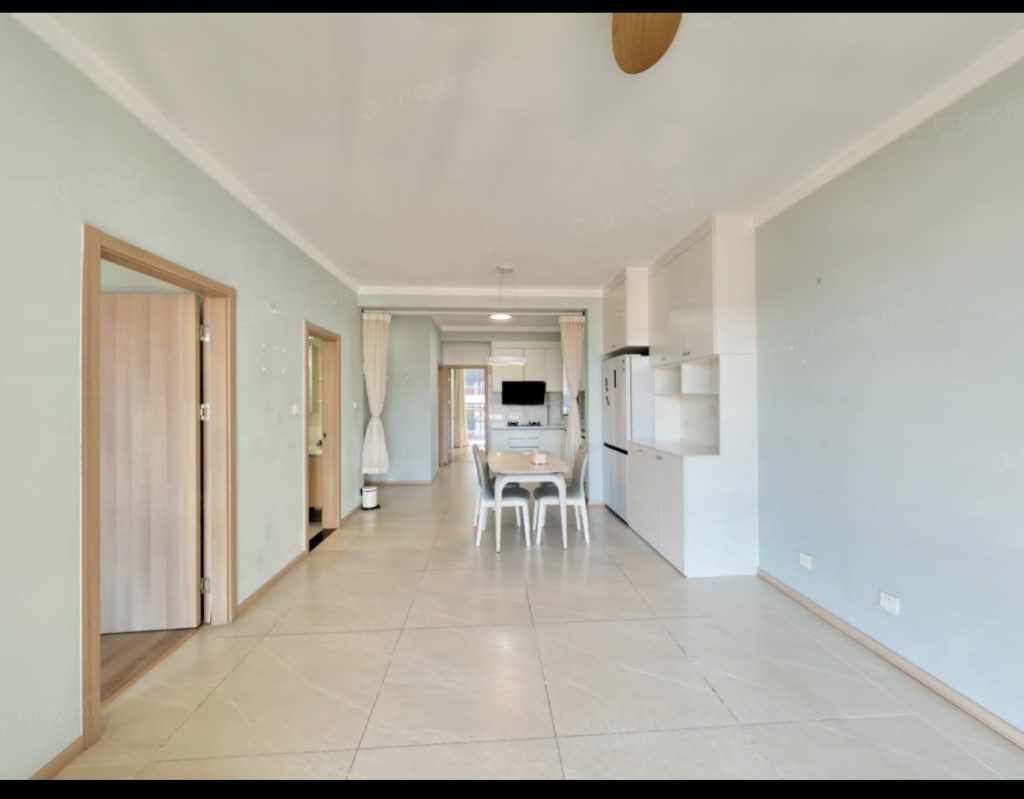
The rental process in China moves quick. Much quicker than most Western markets (especially New Zealand). Once a property is selected, landlords expect decisions quickly. Unlike in New Zealand where it’s normal to give 2-4 weeks notice, in China you can select an apartment, finish the paper work and move in the next day. This is a big change in mindset we have had to adjust to, especially since we have just recently rented our first apartment.
Requirements and regulations for foreign tenants have been formalised and mostly standardised under the 2025 Housing Leasing Regulation. While there are horror stories of the renting landscape in China for foreigners being a bit of a wild west in the past, this has been reigned in by the Government.
When we moved to China, we were offered a fully furnished 2-bedroom apartment on the school campus. Being new to the country, language and culture, this was a great and stable way to adjust to our new life. If you can secure something like this before moving, I would highly encourage it. It helps take a lot of the stress away. Key questions to ask your future employer if they offer you something like this would be:
- How long do you have to stay in the apartment?
- Are there any costs associate with staying there? (Electricity, water, gas, wifi – we were lucky and only paid power and water)
- What rules are there? (This could include things like all parcels delivered to a specific entry way or only riding e-bikes after hours etc.)
- When will the housing allowance be paid if we decide to move?
Staying onsite at my husbands work has made scouting our neighbourhood easy, working out where all the local amenities are and given us the freedom to look at apartments without the stress of a “must move” date. While we stayed onsite, my husband wasn’t paid his housing allowance (as housing was provided by the school) but once we moved offsite, he is now paid it.
If you are wanting to look for an apartment or home yourself, you can do this by:
- Searching “Lianjia” on the mini programmes on We Chat
- Join expat-focused groups, where they might suggest a good real estate agent to work with; or
- Asking your employer if they have a preferred contact
Standard rental agreements run for 12 months, with a 1 to 2 month security deposit up front, an agent fee (normally one months rent, but ask for a discount) and a months rent in advance.
Before signing anything, verify the landlord’s ownership certificate and confirm the apartment is legally
classified as residential, no converted garages or basement units. Photograph every room at move-in.
Changing the locks on move-in day is standard practice and costs around 100 RMB.
Police Registration – The Step most Families Miss on Move-In Day
Within 24 hours of moving into any new address, all foreign residents must register with the local police
station or via the designated app. This applies whether you are moving into a long-term rental or checking
into a serviced apartment temporarily. The registration links your physical address to your visa status and
is required to process or renew any Residence Permit.
Landlords are technically responsible for facilitating this, but do not assume it has been done. Confirm it yourself and keep a copy of the registration slip. You can pick up a copy of your registration slip, as proof of address, anytime – just visit your local Police station with your passport.
Getting Your Kids Enrolled in School
School enrollment is almost always the longest lead-time item in the entire relocation and should be initiated as soon as possible. English-language IB and British curriculum international schools in Beijing and Shanghai have waitlists that can stretch 6 to 12 months. Families who start the enrolment process after accepting a job offer frequently face a gap semester or an interim local school placement that was never in the plan – unless your employer is guaranteeing acceptance and placement in a school like us.
The realistic options for most Western families fall into three categories:
Full International School
Full-time English instruction with a recognised curriculum (IB or British). The most straightforward option for families with no Mandarin.
Bilingual School (this is where our daughter goes)
Private school that often reflects an international school, but offers half-day tuition in Mandarin. This is a great option for families who want their kids to have exposure to Mandarin, while keeping their education in English up. Our school offers extra support for our daughter and she has thrived being tri-lingual since arriving.
Local/Public School
Free, but Mandarin instruction only. This is often unavailable to non-resident children under enrolment rules. However for long-term staying foreigners, this could be an option if you were deciding to have children in China and wanted full proficiency in Mandarin. Not impossible, but difficult for newly arriving families.
Application timeline and required documents for School Enrolment
Some schools may need a bunch of things to enrol your child, this could include documents such has previous school reports, immunisation records and proof of residence. Other schools may also require health checkups and interviews. Each school will have their own process, so be sure to check their websites for the most up to date information – and start collecting the relevant documents as soon as you know where you’re going.
Schools in China follow the Northern Hemisphere academic calendar and begin their year in August/September. If
your family is arriving mid-year, contact schools directly about mid-year entry availability, as it varies
significantly by school and grade level.
Health Insurance and using Hospitals in China
Healthcare in China is a financial risk item, not an optional add-on to sort out after arrival. I learnt this first-hand when I was admitted to hospital for a severe stomach infection. Luckily, my husbands employer provides us with full health insurance, but that didn’t make the process less daunting.
International clinics in Beijing and Shanghai can cost anywhere from 5,000¥ to 30,000¥ per night with surgery fees running from 30,000¥ to 150,000¥ or more. While your employer might have insurance for you, it is best to check how it works, what it covers and if you need to take further insurance out.
Luckily for me, the insurance was sufficient, but we still had to pay an upfront 2,000¥ fee to ‘activate’ our insurance policy. This was an unexpected cost early on, but luckily we had saved contingency money for moments like this.
International vs. Local Hospitals
International hospitals will have English-speaking doctors and international clinical standards. They will also charge your insurance significantly more for treatment.
Local hospitals may not have English speaking staff, Western clinical standards or treatments (Chinese Traditional Medicine is also considered medical here).
Your insurance will determine what is accessible, so ensure you have the right insurance. We use a mix of both international and local hospitals. We are lucky our local hospital has an international department, so we get to access the best of western and Chinese treatments for our ailments.
Providers such as Cigna Global, AXA Global Healthcare, and April International offer direct billing at private and international hospitals, eliminating the need to pay upfront and wait for reimbursement. A mid-tier family plan in 2026 runs approximately $3,000 to $8,000 USD per year, depending on age, coverage level, and provider. Factor this into your relocation budget before accepting a compensation package. For a practical guide to long-term international health insurance options and how they work in China, see this guide to health insurance and healthcare in China.
Your insurer or clinic will have a WeChat mini-programme you can use to book appointments, pay your activation fee and any outstanding billing. Bring you insurance card and passport when attending appointments.
For emergencies, contact your insurer’s 24/7 line from the scene so they can preauthorize care and coordinate transport to a network hospital.
Moving to China: Your First Week Checklist
The first 7-days involve completed several legal and practical tasks that will unlock everything else for you. Without them, you will struggle to open a bank account, use mobile payment, or function independently in a society that runs almost entirely on smartphones.
Below is not an exhaustive list, but the top tasks we found helped make our transition into the Chinese society easy and efficient:
Sim Card and Phones
Smartphones
My advice is bring a smartphone from your home country. This is the biggest mistake I see plenty of expats do, wait until they reach China to upgrade their phone.
There are a few reasons why this is a mistake:
- Chinese smartphones are often locked to Chinese networks. This makes travelling with your phone difficult if you need to leave the country (like visiting home on your next holidays).
- Western social media apps may be blocked or monitored. This is a big thing if you are hoping to take advantage of communicating with home through wifi and social media apps. Western social media apps just aren’t available on a lot of Chinese smartphones.
- They may not have English language preloaded. Another downside, an operating system in English is not guaranteed.
If you want to upgrade your phone, do it before coming. The above INCLUDES iPhones and Samsung phones.
Sim Card
Pick up a local SIM card at a China Unicom or China Mobile desk. You can grab these at the airport. A registered Chinese number is the prerequisite for everything else you’ll need. Make sure you have your passport on you.
If you are moving to China, you will benefit from using both Alipay and WeChat. WeChat is not just a messaging app: it is a payment system, a booking system, and the communication channel for schools, landlords, and doctors. You can register your local Chinese number to your WeChat to get full functional use of the app.
Chinese Bank Account
Chinese Merchant Banks and ICBC are the most accessible options for new expats. They will both require your passport, visa or residence permit, proof of address and a tax identification number from your home country.
For practical, step-by-step guidance on opening a bank account in China as an expat, consult this guide to Chinese bank accounts.
Once you have your Chinese Bank Account up and running, you can connect your bank account to your WeChat. This will make paying for things, booking appointments and everything else money related seamless.
VPN
Install and test your VPN before leaving home. Setting one up after crossing into China’s firewall is significantly harder. ExpressVPN and Surfshark are among the more consistently reliable options for expat families in 2026. Use both as backups for each other, rotate server locations when connections drop, and never share VPN recommendations on Chinese social media platforms or messaging apps (for example WeChat).
For a plain-English overview of VPN options and best practices for use in China, see this VPN in China guide.
Cultural Adjustment for the Whole Family
Logistics are the manageable part of the whole move. Adjusting to a vastly different culture is where families will need the most patience. From the food to the air quality, there will be a lot of new things you will need to traverse in the first couple weeks of expat life. But it’s doable and can be enjoyable.
A basic level of Mandarin changes how locals interact with expat families, and children typically pick up the language faster than adults, especially once they are settled in school.
My biggest advice for surviving the first weeks of you new life is to take time for you, your spouse and your little ones to adjust. It’s ok, to want to spend a day or two in your new accommodation working through the small details to make it feel like home. Find comfort food and don’t feel bad for eating it. McDonald’s became my daughters go-to for lunch or dinner, but with a little encouragement and patience that faded after a few days when she watched us eat and enjoy the new food options. Most of, share your feelings, your thoughts and your adventures with your loved ones back home. While they may never understand the challenges you’re facing on the daily, they are often good support when you just want to vent in English.
Ready to Start Planning Your Move to China?
Moving to China with a family is an adventure. It can be one of the most exhausting yet rewarding decisions a family can make. I’ve found that day one is manageable when the sixty days before it were prepared properly. To help you on your next step I also have this easy moving abroad checklist you can download for free here:
For city-specific guides, international school reviews, and honest accounts of what daily life in Beijing and Shanghai actually looks like for a Western family, Pretty Far From Home covers it all from the ground up.
Final Thoughts: Moving to China – The Complete Guide Makes it Easy
If you’re considering a move to China, I hope this guide has given you some reassurance that things will be ok and that it doesn’t have to be a hard process.
If you haven’t subscribed to my mailing list, sign up to make sure you get first access to all the resource and tools you’ll need to have a seamless move. I know you’ll be super busy packing, so I promise not to spam you! Let me know if you’ve got questions or help planning — I love connecting with expat families!
Until next time,
Nic x
Planning a trip to China?
Don’t get stuck without the right tools. From VPN’s to booking hotels and fast trains, we have everything you’ll need listed in our tool kit.
Follow Me on Social Media
Discover more from Pretty Far from Home
Subscribe to get the latest posts sent to your email.