
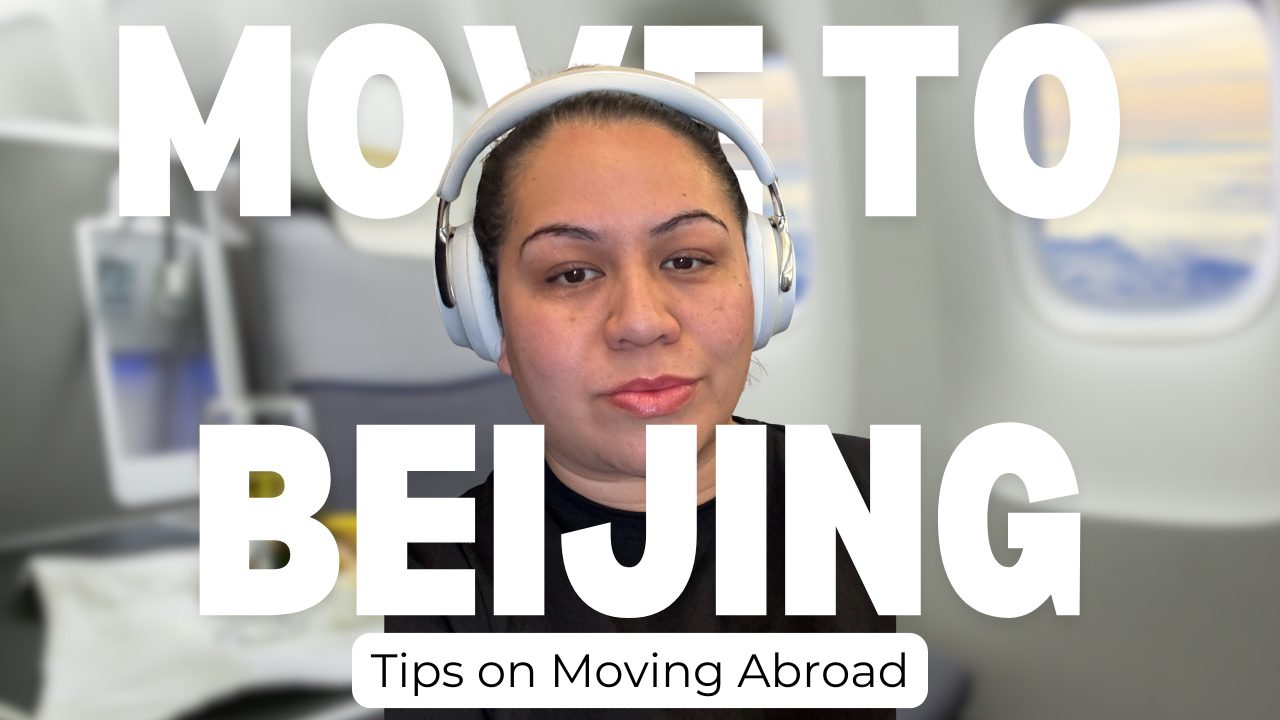
Moving Abroad, Auckland to Beijing: What You’ll Need to Know Before You Move to China
It’s about time I write about moving abroad, from Auckland to China. Over the last couple of years, China has become a popular expat destination for many kiwi’s looking to find their wings and other expats alike. In this blog post, I share a little more about why we decided Beijing was the city for us and some handy tips if you too, are thinking about moving to China or abroad in general.
Hope you enjoy, and remember if you have any questions feel free to email them to nicola@prettyfarfromhome.com
Nic x
Table of Contents
- Why Move to Beijing?
- Before You Leave Auckland
- First Steps in Beijing
- Finding a Home & Neighborhoods
- Daily Life: Transport, Food & Costs
- Culture, Language & Community
- Tips for Families
- FAQs
- Final Thoughts
Thinking about Moving Abroad? Why Move to China (Beijing Specifically)?
Moving from Auckland to Beijing is a big change—but one full of opportunity. Beijing, as the capital city of China, offers incredible cultural history, dynamic city life, global business connections, and rich experiences that are very different from New Zealand.
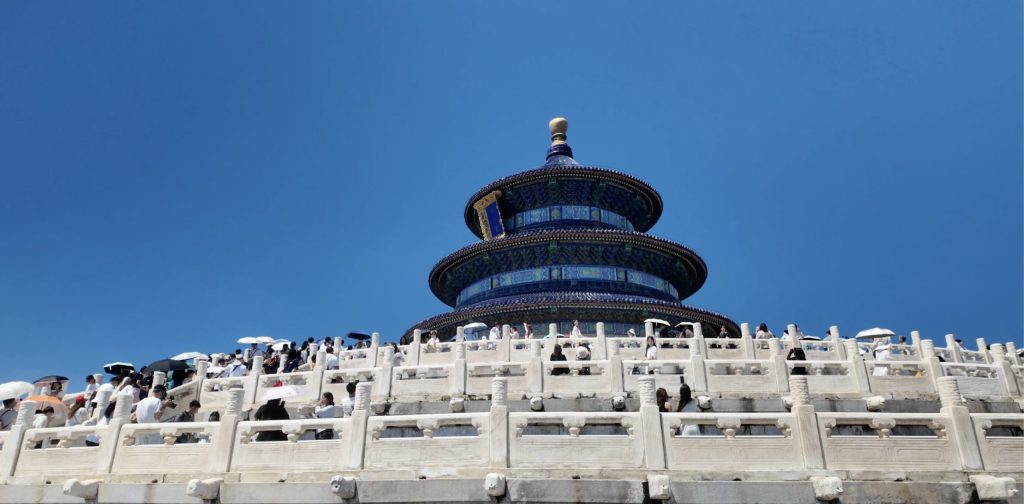
With Shanghai being the baby of the metropolitan cities in China, think of Beijing as the oldest daughter. Steeped in history, access to the Great Wall, the Forbidden City, the Summer Palace and many other historical sites, this city is full of interesting places to discover.
Along with plenty of International Schools (which is what has brought us to China) whether you’re moving for work, studies, family, or adventure, Beijing brings its own rewards (and challenges).
Before You Leave Auckland
Visas & Documentation
Make sure your passport is up to date. Research the correct visa type—work, family, student, etc.
China has specific regulations; documentation like health checks or police certificates may be required.
Health & Travel Insurance
Get coverage that works overseas, especially for medical evacuations and ongoing prescriptions. If you are moving for work, then make sure you check what health policy is offered as part of your moving package.
Also check what immunisations are required (if any).
Language Prep
You don’t need to be fluent, but learning the basics in Mandarin will be a huge help in getting a head start. Apps like Duolingo will give you some simple phrases, but checkout the Youtube series @EverydayChinese for a simple and easy way to learn daily phrases.
Shipping & Moving Belongings
Have a good think about what it is you’ll need from home in China, keeping in mind that you can buy just about everything you need here.
Shipping to China is quite difficult and many friends who have lived here for a couple years have said it cost them quite a bit to get through customs and they ended up dumping a lot of their items anyway.
A lot of apartments or villas you’ll rent in China, will come fully furnished. This is very common, unlike in New Zealand and you’ll likely never need to purchase big items like beds, drawers or other like household items unless you have a particular style.
The best things to bring with you are clothes you are comfortable in and weather appropriate, snacks or packaged food from home (reduced cream and onion soup anyone?), bedding and family photos. Printing photos is not easily accessible.

Bedding can be confusing – we haven’t managed to find a lot of places that sell it off the shelf, except for Ikea, but even then the range is VERY limited. Bringing your own sheets (1 set of winter and 1 for summer) will make things a lot easier until you workout a good supplier on Tao Bao.
Bank Accounts & Finances
First and foremost, notify your New Zealand bank that you’ll be heading overseas. I wouldn’t suggest closing all your home bank accounts down as they will come in handy (moving money in and out of China can be a little *cough* administrative heavy).
Sign up for a Wise Debit Card and have that in your possession and setup BEFORE you leave the country. Sign up here and get the debit card for free (*costs a card fee otherwise) and exchange some money for Chinese RMB on here. While there is some advice around that says you should carry a small amount of cash on you *just in case*, you’ll find it will be more of a hassle than anything. Have your Wise Card setup and loaded on Alipay – then you’ll be sweet to go.
It will help to set up a bank account in China once you arrive (with required documents), so you can use local payment methods (WeChat). If you are moving for work, ask someone who can speak Chinese to accompany you. This will be the easiest and fastest way – we use Bank of China, and would highly recommend.
First Steps in Beijing
Arrival: Airport to City
Depending on which airport you fly into (PEK / Beijing Capital, or PKX / Beijing Daxing), plan your ride into the city. We were lucky to be collected by my husbands school, but we would advise either booking a ride before arriving through booking.com or getting familiar with and using Didi.
We would advise against using the taxi’s as we have heard from friends of them over charging and/or expecting further payment than what is agreed to let you out.
If you’re arriving at night like we did, book yourself into an airport hotel. They are cheap (by New Zealand standards) and most will have a free shuttle from the airport to the hotel. The hotel can help arrange transport for you and your luggage to your next destination.
SIM Card & Connectivity
Local SIMs are essential. Many NZ services/apps are restricted in China, so set up VPNs if needed, and get apps like WeChat, AliPay, or other local equivalents.
We use Express VPN – it works well and is reasonably priced. For 30-free days, checkout my link here.
Registering with Authorities
Foreigners often need to register with the local police or relevant authorities after arrival. Make this one of your first tasks to avoid fines or issues.
My husbands employer took care of this for us, but if you are travelling to China and setting up base alone make this your first priority. Find the nearest police station to your residence and take your passport and other relevant documentation with you to register.
*If you are travelling to China and staying in hotels they will take care of this for you. They will ask to copy your passport when checking in.
Finding a Home
Renting
China’s renting works slightly different to New Zealand. Rather than the usual 4 weeks of deposit, Chinese rentals often require between 1 to 3 months down as a deposit, proof of income and may ask for another 1-3 months in advance. Rent is often paid quarterly (could be anywhere from 3-4 monthly) and many come furnished. Some can include utilities and internet setup, but it pays to check when you inspect.
If you have someone (colleague) who can speak Mandarin and is willing to help, this can go a long way to helping you secure somewhere nice and budget friendly.
Cost of Housing
Beijing’s rent varies widely depending on location, size, and amenities. Apartments close to subway lines generally cost more but compare: what you paid/expect in Auckland vs what you will in Beijing.
In our area, rents can vary from ¥3000 ($709NZD) for a single room apartment, to ¥20,000 ($4731NZD) a month for a luxurious 5 bedroom stand alone home – it wholly depends on what you’re looking for.
*Having some money put away in anticipation of these costs will help make moving into your own apartment smooth
Daily Life: Transport, Food & Costs
Transport
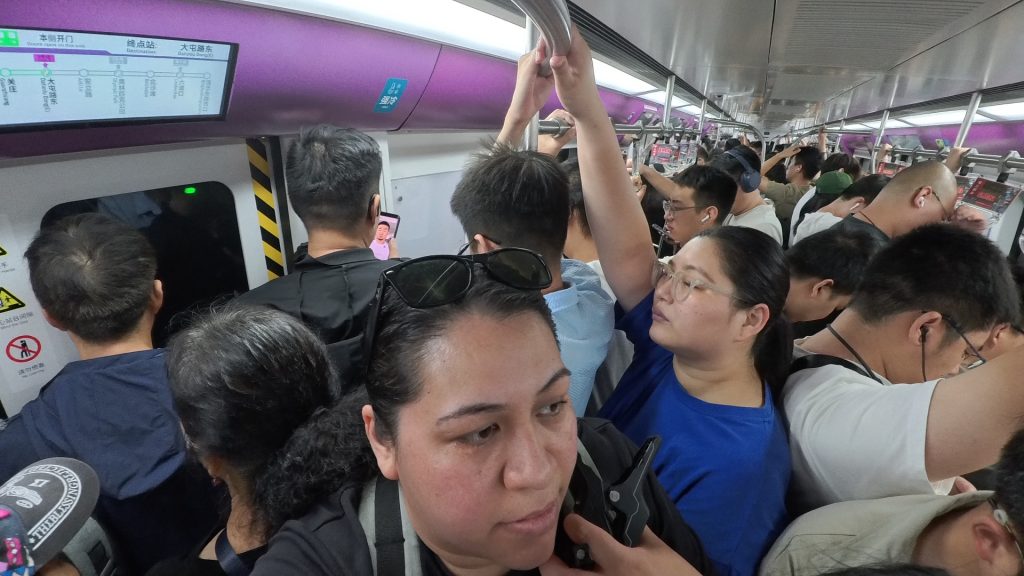
Beijing has an extensive subway system; it’s efficient and inexpensive – most rides costs between ¥1 and ¥10 at the most. The subway can be busy during rush hour and when I mean busy, I mean busy! It’s still an efficient way to explore the city, especially if you’re heading into the centre (think Tiananmen Square, CBD, etc.).
Buses, DIDI and taxi’s are also a popular option. Bike-sharing is also a big thing, so if you’re interested in getting around for ¥1.50 (35c) and getting fit at the same time, then pay attention to some of the traffic rules and norms so you can stay safe.


Food & Groceries
Local markets are fantastic for fresh produce. Once you’re settled, I’d suggest walking around your local area to find the local spots for produce. Eating fresh and healthy is easy here, just be sure to wash produce carefully when you get home.
If you’re looking for more foreign friendly food (imported food) you can find this in various big supermarkets/stores such as Sam’s Club, Costco, Jenny Wang’s (Beijing). Imported food costs a little more than local, but it is nothing compared to prices back home in New Zealand.
Chinese cuisine offers lots of variety though—this is the perfect time to get adventurous! Eating local is far cheaper than eating western (and more flavourful too :D).
Cost of Living
Some things will cost less: public transport, local food, domestic help etc. Others cost more: imported goods, international schools, western style housing.
Budget carefully.
Healthcare
Big Hospitals in Beijing generally have staff who can speak English. Some have international departments where reception etc. will also speak English. Insurance will be key, but you will be expected to pay up front for services with reimbursement (if you have appropriate insurance). Services are generally fast and efficient and bedside manner is excellent.
Culture, Language & Community
- Language & Communication
Mandarin is the main language, with various dialects depending on where in China people originate from. Very few locals speak English fluently, but learning the basics will help with daily tasks and go a long way to improving their interaction with you.
Most are very willing to help you, if you put a little effort in. - Local Customs & Etiquette
Learning a bit about the Chinese culture will also help with understanding how communities and society works. Respect for elders is very important, and in some communities social reputation or the importance of face is too. Being punctual is also considered a significant sign of respect.
Don’t be offended if you get a lot of stares, especially as you move through or explore more rural settings. Many Chinese don’t leave their country or interact with many foreigners – it’s not rude, they are genuinely interested because we tend to look so different. If you’re uncomfortable with having your photo taken, just politely say no when they ask. They will approach and ask you for a photo sometimes. - Making Friends & Finding Community
Expat groups, English language meetups, local social media groups (WeChat is huge) can help. Be open to doing things you normally wouldn’t do back home (like playing sport, going to social events). We were so used to doing our own things back home, but here we’ve made an effort to get out and meet people, do things and explore. It has made making friends and building a new community for us, so much easier.
Tips for Families
If you have children:
- Schools: International schools are available but expensive. Public schools will be Chinese-medium. If you’re moving for work, ask what schooling options are included in your moving package.
- Play & Recreation: Parks, playgrounds are everywhere; many indoor play zones and kid-friendly malls. Expect to pay for a lot of activities. The fee is normally not too expensive, but pools and other community based activities that are normally free at home with generally cost.
- Safety: Beijing is quite safe, but traffic can be chaotic. Teach kids local safety habits – especially when crossing or walking near the road.
- Homesickness & Culture Shock: Be prepared for a big adjustment. Keep some NZ traditions alive; find Kiwi food sometimes; create a support network.
FAQs
Q: Is it hard for Kiwis to get used to life in China (Beijing, specifically)?
A: This is entirely dependent on how you handle change. There are a lot of different things compared to New Zealand, language, food, pace, familiarity. Taking everything (the good, the bad and the funny) as it comes, you’re sure to settle in well and enjoy the cultural richness and history China has to offer.
Q: How are utilities & internet?
A: Utilities are reliable in most parts; internet is fast but many Western sites/apps are blocked, so a VPN or alternative is often needed. Remember to drink bottled water – tap water isn’t as safe as tap water in New Zealand.
Q: What’s the weather like?
A: Beijing has four very distinct seasons: very cold winters, hot/humid summers, pleasant springs and autumns. Air quality can vary—be prepared for smog in certain seasons and have masks if sensitive.
Final Thoughts
Beijing, China has been a vibrant and intense experience. Coming from Auckland, it’s been a change to stretch, to grow and to see the world differently. With the right preparation (visa sorted, savings/budget, language basics), moving abroad can be a wonderful journey. If you’re moving to China, or thinking about moving abroad, I hope this gives you a solid head start.
If you’re not quite ready to move abroad, but are thinking about visiting China then make sure to checkout my 5-Days in Shanghai blog post, for some great first time tips. For a more detailed review, checkout my latest Youtube video on our move, here at Moving to Beijing.
If you have any comments, we’d love to hear from you – send them to nicola@prettyfarfromhome.com
Until next time,
Nic x
Planning a trip to China?
Don’t get stuck without the right tools. From VPN’s to booking hotels and fast trains, we have everything you’ll need listed in our tool kit.
Discover more from Pretty Far from Home
Subscribe to get the latest posts sent to your email.